
mydentalflorida@gmail.com
Mon-Fri 8AM-6PM
Weekends by Appointment
mydentalflorida@gmail.com
Weekends by Appointment
This article explains:
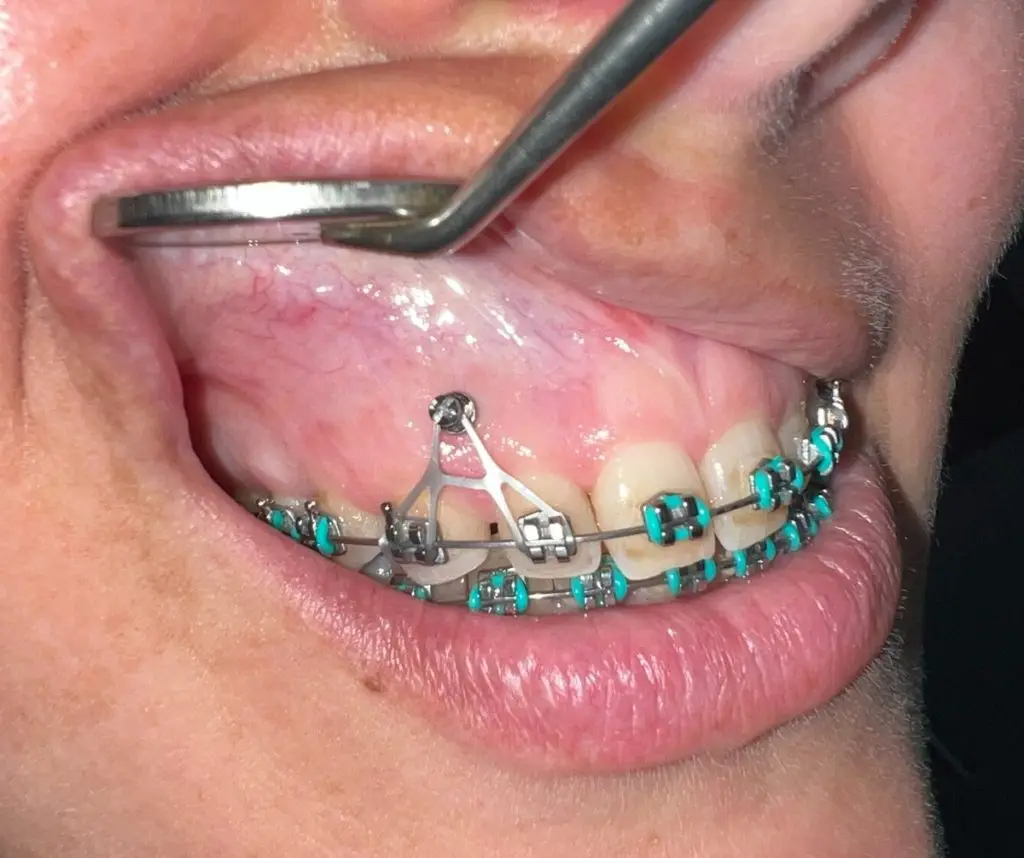
If your orthodontist has mentioned placing a “TAD” as part of your treatment, your first reaction was probably a mix of curiosity and mild alarm. A screw? In my jaw? It sounds far more dramatic than it actually is. Temporary anchorage devices have quietly become one of the most useful tools in modern orthodontics, and for many patients they make the difference between a compromise result and an excellent one — often while avoiding jaw surgery, headgear, or the removal of healthy teeth.
Temporary Anchorage Devices (TADs) are very small screw-like anchors placed into the jawbone during Orthodontic Treatment. Their purpose is to create a fixed point from which teeth can be moved more predictably.
In traditional orthodontics, teeth are often used to move other teeth. The problem is that anchor teeth can unintentionally shift. TADs solve this issue by providing stable anchorage directly from bone.
TADs are:
They are not the same as permanent dental implants used to replace missing teeth.
Patients often confuse orthodontic TADs (Temporary Anchorage Devices) with dental implants because both appear as titanium screw-like structures on dental x-rays. However, they serve very different purposes. Orthodontic TADs are small temporary mini-implants used during braces treatment to provide skeletal anchorage for controlled tooth movement and bite correction. They are typically much smaller than dental implants and are removed once orthodontic goals are completed. Dental Implants, on the other hand, are permanent restorations placed to replace missing teeth. Unlike TADs, dental implants integrate with the jawbone through osseointegration and are designed to support crowns, bridges, or dentures long term. While TADs help move teeth, dental implants replace teeth. Both technologies utilize biocompatible titanium and represent important advancements in modern dentistry and orthodontics.
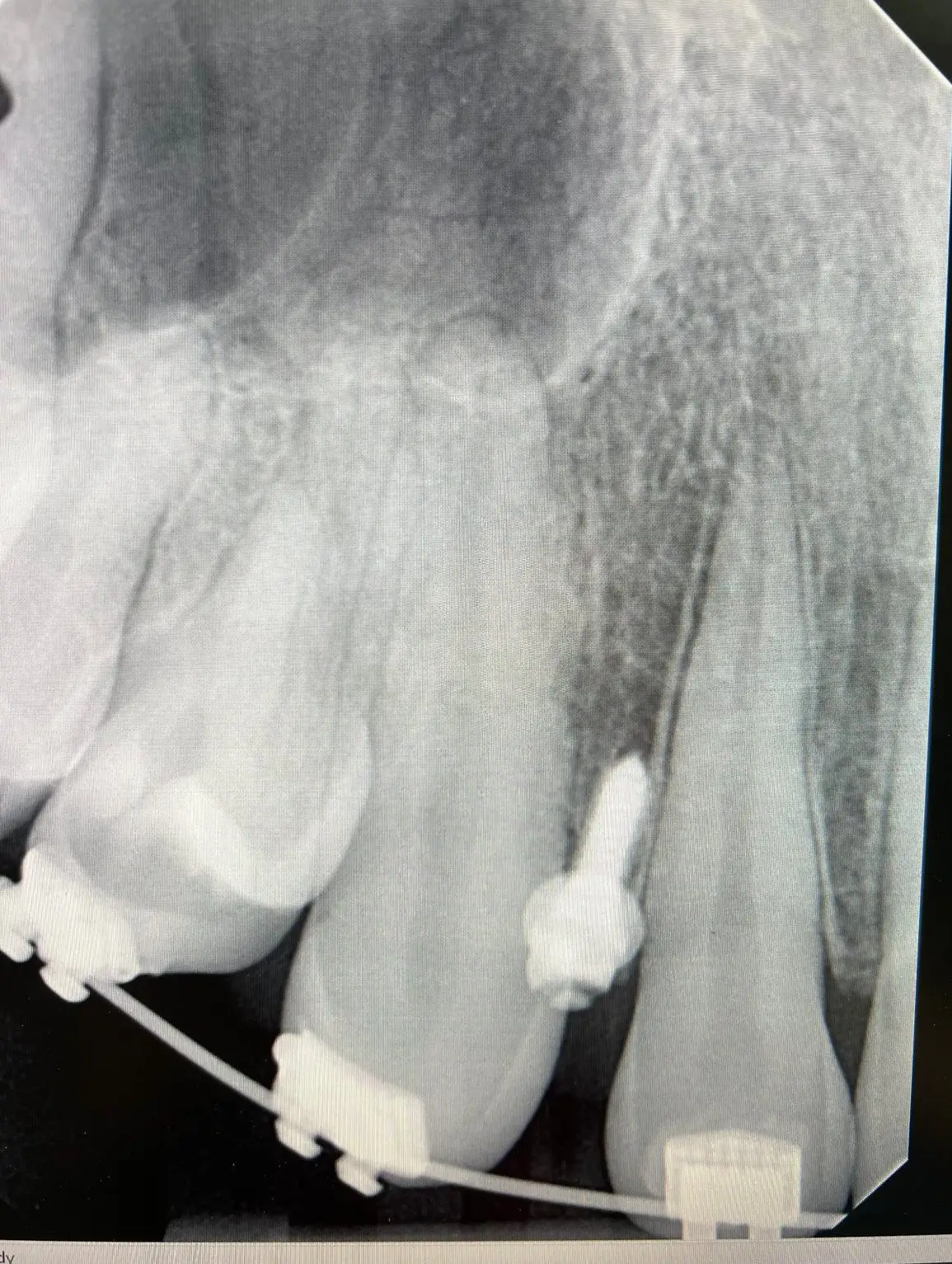
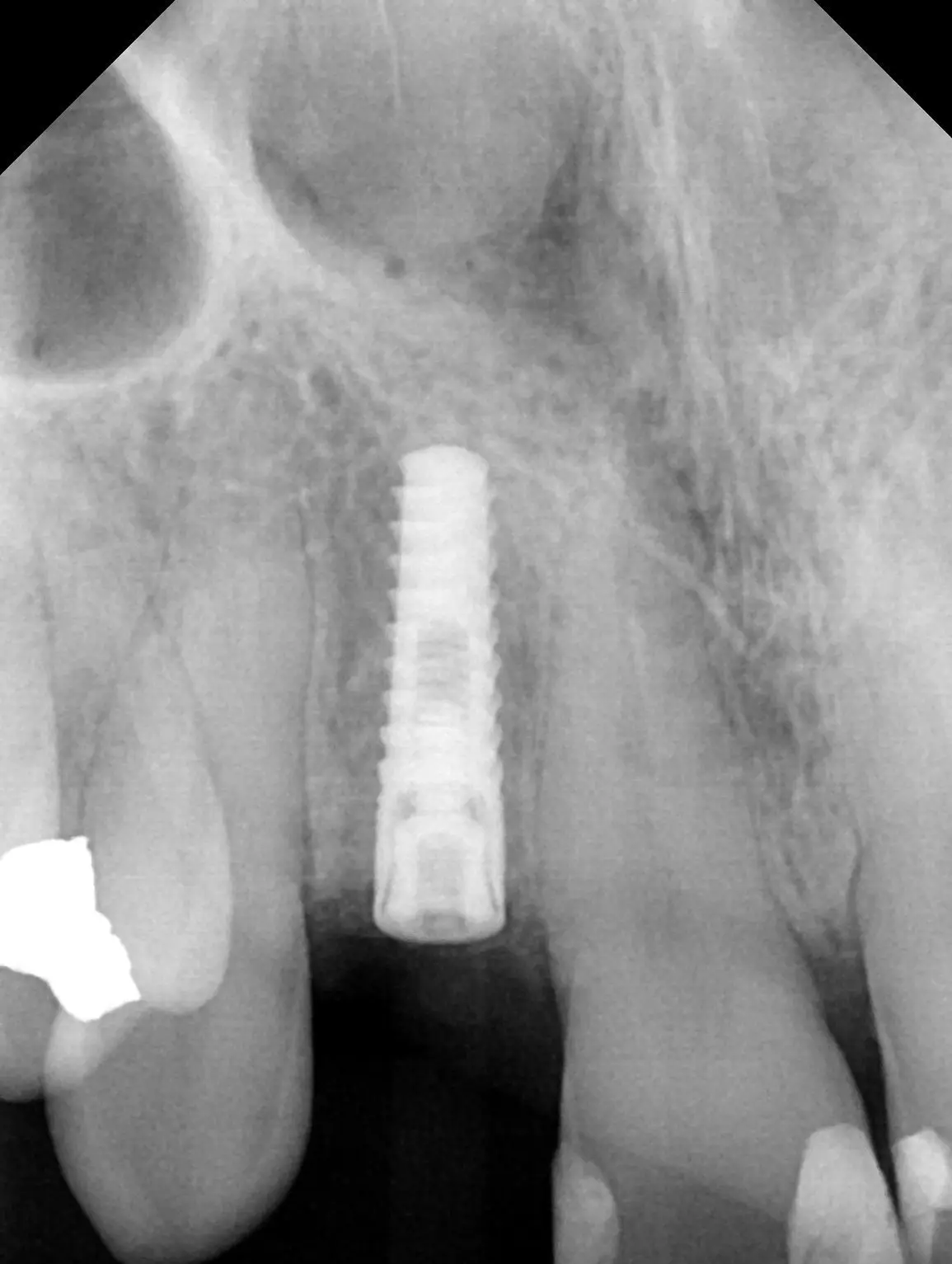
Key differences:
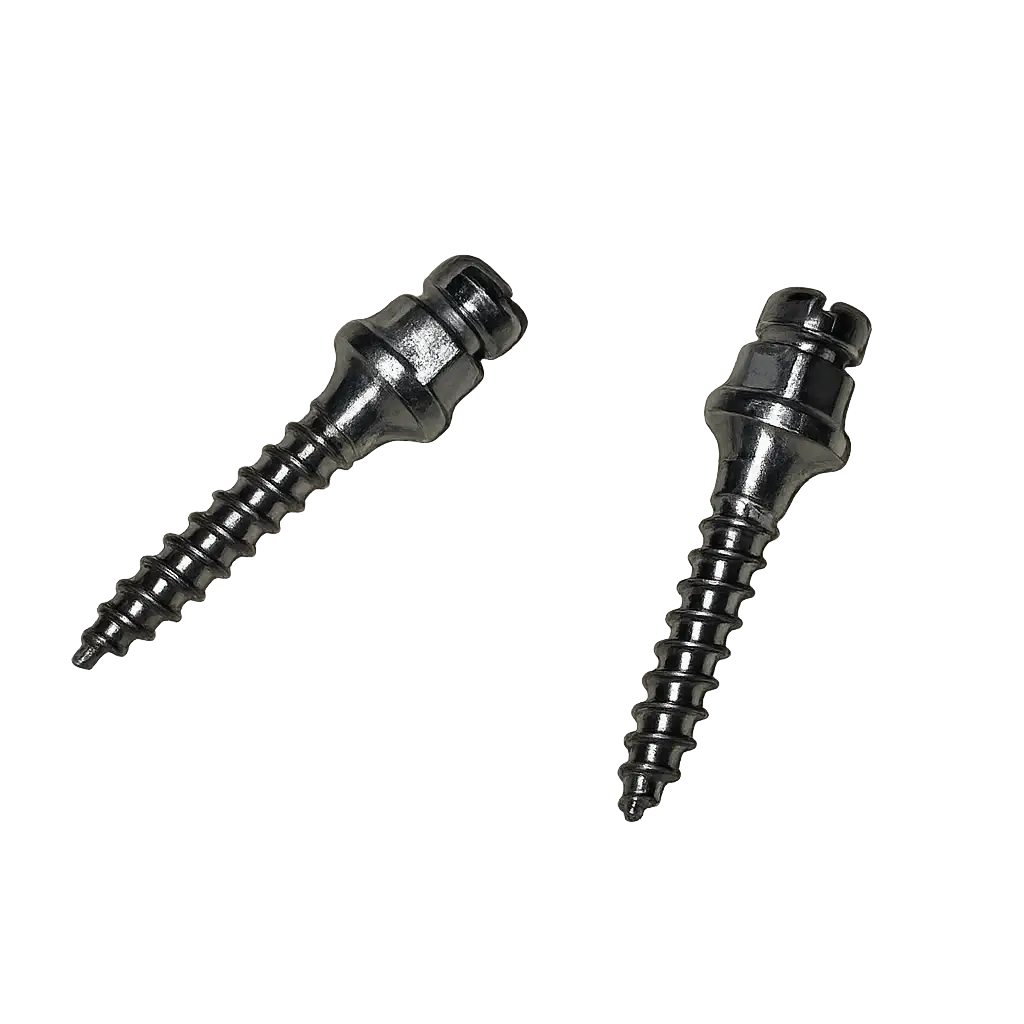
A temporary anchorage device is a very small titanium-alloy screw — usually a Ti-6Al-4V alloy, the same biocompatible material family used in larger dental and orthopedic implants. They’re often called mini-implants or mini-screws, and that’s a fair description, but they are much smaller than the implants used to replace a missing tooth.
The numbers give you a sense of scale. Temporary anchorage devices are titanium-alloy mini-screws, ranging in size from 6 mm up to 12 mm in length, with a diameter that may range anywhere from 1.2–2 mm. The most common size is around 1.6 mm wide by 8 mm long — roughly resembling a tiny earring stud, with a small head that sits above the gum and a threaded body anchored in the bone. That little exposed head is the working part: it gives your orthodontist a fixed point to attach a spring, chain, or elastic to.
Here’s the key difference from a conventional tooth-replacement implant. A TAD’s surface is polished and smoother than a standard implant because it doesn’t rely on osseointegration — fusion with bone — for stability. Instead, it stays in place through mechanical retention. That’s deliberate. Because it isn’t meant to fuse permanently, it can be removed easily when its job is done.
To understand why TADs are so useful, you need to understand the oldest headache: anchorage. Newton’s third law applies inside your mouth. If we push a tooth forward, something has to push back — and traditionally that “something” was other teeth. The trouble is that those anchor teeth tend to drift in the wrong direction during treatment, so the dentist ends up fighting unwanted movement.
A TAD solves this elegantly. Because it’s placed directly into the jawbone, your dentist can apply force to a stable, non-moving, predictable anchor rather than borrowing it from teeth that would rather not cooperate. It works either by reinforcing a group of anchor teeth (indirect anchorage) or, more powerfully, by removing the need for a reactive unit of teeth altogether — direct anchorage.
TADs can help create space without excessive flaring of front teeth.
In open bite cases, TADs may Intrude (push up or down) teeth to help rotate jaw— for example, intruding over-erupted molars to close an open bit.
Mini-implants can help intrude front teeth or control vertical movement.
TADs can assist in bringing impacted teeth into alignment, move single teeth or upright tipped molars that have drifted into a gap.
They help prevent unwanted movement of anchor teeth while spaces are being closed, retract front teeth to close gaps or reduce protrusion, especially after extractions.
When one side of the mouth requires different mechanics than the other, TADs can provide side-specific anchorage. For example, correct an occlusal plane “cant” — when the bite is tilted, so one side sits higher than the other. A TAD lets us level the plane by intruding the high side without disturbing the rest of the bite.
TADs can move upper molars backward to create space and improve bite relationships, i.e. distalize — move a whole arch of teeth backward — as a non-surgical alternative in certain cases.
In short, mini-screws enable efficient and versatile movements such as intrusion or retraction of anterior and posterior teeth, correction of a canted occlusal plane, unilateral space closure, and alignment of dental mid-lines. Before TADs, several of these required headgear (worn many hours a day and entirely dependent on patient cooperation) or even orthognathic surgery.

Patient presented with severe gummy smile and occlusal cant caused by an ankylosed upper left maxillary lateral incisor.
This orthodontic case demonstrates advanced correction of a severe gummy smile and occlusal cant where the patient’s right side appeared significantly lower than the left. The asymmetry was associated with an ankylosed upper left maxillary lateral incisor fused to surrounding bone, limiting normal eruption and orthodontic movement. Treatment involved expansion of both maxillary and mandibular arches combined with TAD-assisted intrusion mechanics to elevate and level the maxillary arch plane. The lower right side was also extruded to improve occlusion and bite balance. Temporary Anchorage Devices (TADs) provided stable skeletal anchorage for controlled orthodontic tooth movement and improved biomechanical precision. Final results demonstrate improved smile symmetry, bite alignment, and leveling of the maxillary arch relative to the ankylosed lateral incisor.
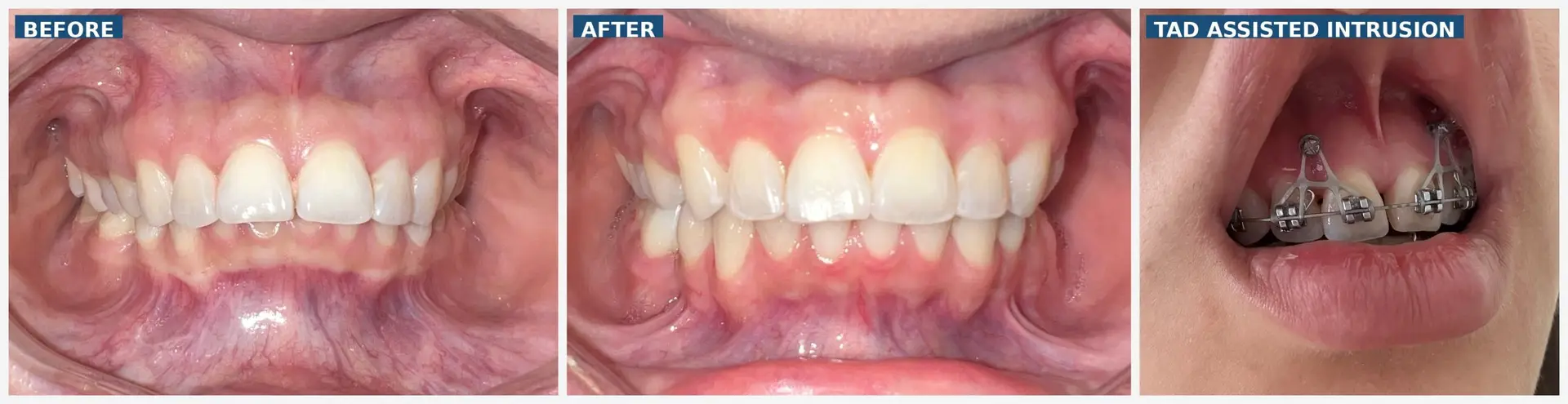
Patient presented with migraine headaches and TMJ clicking and pain
This orthodontic and TMJ treatment case demonstrates comprehensive correction of deep overbite, narrow maxillary and mandibular arches, excessive gingival display, and retruded mandibular positioning associated with temporomandibular joint (TMJ) disorder symptoms including migraine headaches and bilateral clicking and pain. Treatment began with TMJ phase I therapy using upper and lower orthopedic appliances to guide the mandible into a stable, symptom-free position. Phase II orthodontic treatment included maxillary and mandibular arch expansion, posterior extrusion to support the corrected jaw position, and deep overbite correction using braces. Anterior Temporary Anchorage Devices (TADs) were utilized as stable skeletal anchors to control vertical tooth movement, improve gingival display, and prevent unwanted anterior extrusion. Final results demonstrate improved smile aesthetics, bite balance, arch form, and functional occlusion.
This orthodontic treatment video demonstrates correction of a tilted bite plane, also known as an occlusal cant, where the patient’s right side appeared lower than the left. Treatment included upper jaw expansion combined with braces and Temporary Anchorage Devices (TADs) to help lift and level the upper right side with precise skeletal anchorage mechanics. The video highlights progressive bite correction, smile symmetry improvement, and enhanced occlusal balance achieved through modern orthodontic techniques. As a bonus, the video also shows the braces removal and TAD removal process, giving patients an inside look at the final stages of orthodontic treatment.
This is the question every patient really wants answered, so let’s be honest about it.
The procedure is quick and done right in the orthodontic chair — no hospital, no operating theatre. Before insertion, the area is numbed with a local anaesthetic gel or injection. While the jawbone itself has few pain receptors, the surrounding gum tissue is anaesthetised, and patients generally report feeling pressure rather than pain. Insertion usually takes only a few minutes per TAD as the screw is guided through the gum tissue and into the jawbone.
Most patients are genuinely surprised by how undramatic it is. You’ll usually only experience slight pressure during placement. Afterward there may be mild soreness for a day or two, comparable to the ache after a routine adjustment, and that’s easily managed with over-the-counter pain relief such as paracetamol or ibuprofen.
This video demonstrates placement of an orthodontic mini-implant (TAD). The procedure is typically quick and minimally invasive and is performed under local anesthetic.
The actual insertion often takes only a few minutes from start to finish so you can see exactly what’s involved — it’s far gentler than the word “screw” suggests.
A TAD stays in only as long as it’s needed — typically for a phase of treatment lasting several months, after which it’s removed once it has done its job or is no longer needed. Many patients keep theirs for somewhere between a few months and the better part of a year, depending on the movement required.
Once their purpose is completed, they are removed.
This orthodontic video demonstrates the final stage of treatment, including braces removal and Temporary Anchorage Device (TAD) removal. Note how short it is.
Removal is usually even easier than placement.
Once treatment goals are achieved:
Because the screw was never meant to fuse to the bone, it simply unthreads. Removal is quick and comfortable and usually takes just a few minutes, typically without any anesthesia. Most patients describe it as a brief odd sensation and nothing more. The small site where the TAD sat heals over on its own within a couple of weeks, leaving no lasting mark.
Good oral hygiene is extremely important.
Homecare is simple, and it’s also the single biggest thing you control to keep the TAD healthy.
Although TADs are highly successful, complications can occur.
The most common issue is mini-implant mobility or loosening.
Reasons may include:
If a TAD loosens, it can often be replaced or re-positioned.
Cheeks or lips may initially rub against the appliance.
Orthodontic wax can help during adaptation.
Temporary soreness is normal for several days after placement.
Poor oral hygiene can lead to irritation or inflammation.
Proper cleaning significantly reduces risk.
TAD success rates are generally high, but no procedure has a 100% success rate.
Historically, some tooth movements required bulky external headgear.
TADs often eliminate the need for these appliances.
Rubber bands and removable appliances depend heavily on patient cooperation.
TADs provide stable anchorage independent of compliance.
TADs improve biomechanics and allow controlled directional forces.
In some cases, treatment efficiency improves because mechanics become more direct.
Certain difficult movements become more achievable with skeletal anchorage.
Costs vary depending on:
Some orthodontic treatment plans include TADs within overall treatment fees, while others charge separately.
Patients should discuss fees and treatment goals during consultation.
TADs are widely used in orthodontics and supported by extensive clinical research.
When properly planned and placed, they are considered safe and predictable.
Proper diagnosis, imaging, and placement technique are important to minimize risks.
“Will people see them?”
Sometimes yes, depending on location. However, they are usually small and less noticeable than patients expect.
“Can TADs set off metal detectors?”
No.
“Can I eat normally?”
Mostly yes, although dietary modifications may be recommended initially.
“Will my speech change?”
Temporary awareness may occur initially, but most patients adapt quickly.
“Can TADs fall out?”
Loosening can occur. If it happens, the orthodontist evaluates whether replacement is needed.
“Can I have an MRI with a TAD in place?”
Titanium alloy is generally MRI-compatible, but you should always tell the radiographer that the TAD is there before any scan.
“Do TADs leave holes?”
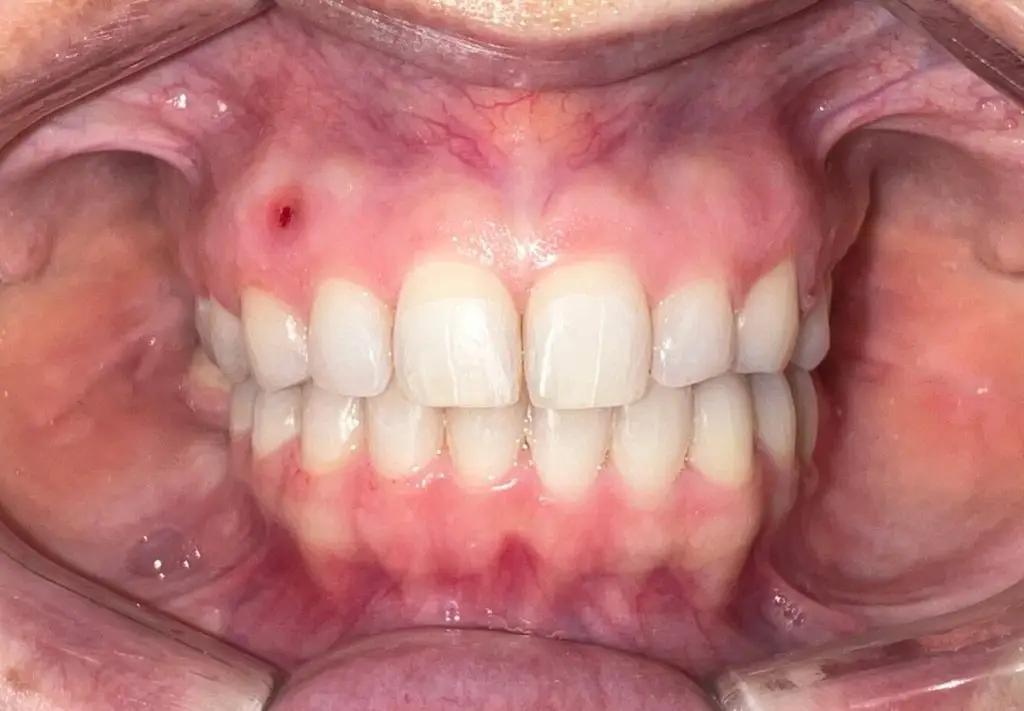
This clinical intraoral image demonstrates the appearance of soft tissue immediately after orthodontic Temporary Anchorage Device (TAD) removal. TADs, also called orthodontic mini-implants or mini-screws, are temporary skeletal anchorage devices commonly used to assist with complex orthodontic tooth movement and bite correction. After removal, a small opening may remain temporarily in the gum tissue where the TAD was positioned. In most cases, healing occurs rapidly and uneventfully without sutures. Proper oral hygiene and following orthodontic instructions help promote normal healing after TAD removal.
Orthodontics has become increasingly focused on precision biomechanics and minimally invasive solutions.
TADs represent a major advancement because they:
For many patients, they allow dentists to accomplish movements that were historically difficult with braces alone.
TADs are a small intervention with an outsized payoff. They’ve expanded what orthodontics can achieve without surgery, made treatment more predictable, and removed the heavy reliance on cooperation that made older appliances so frustrating. Placement is quicker and gentler than the word “screw” implies, removal is genuinely easy, and the homecare is little more than keeping the area clean.
If you’d like to know whether a TAD could simplify or improve your treatment, the cases above show what’s possible — and we’re happy to talk it through at your next visit.