
mydentalflorida@gmail.com
Mon-Fri 8AM-6PM
Weekends by Appointment
mydentalflorida@gmail.com
Weekends by Appointment
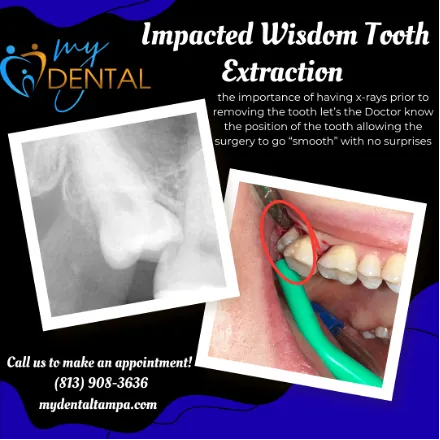
Many patients ask whether wisdom teeth must always be removed. The answer is no. Wisdom teeth are evaluated individually based on their position, health, and potential risk to surrounding teeth.
In this article, Dr. Shurova explains why dentists sometimes recommend wisdom tooth removal and when these teeth can remain safely.
This guide answers the most common questions patients search for online about wisdom teeth.
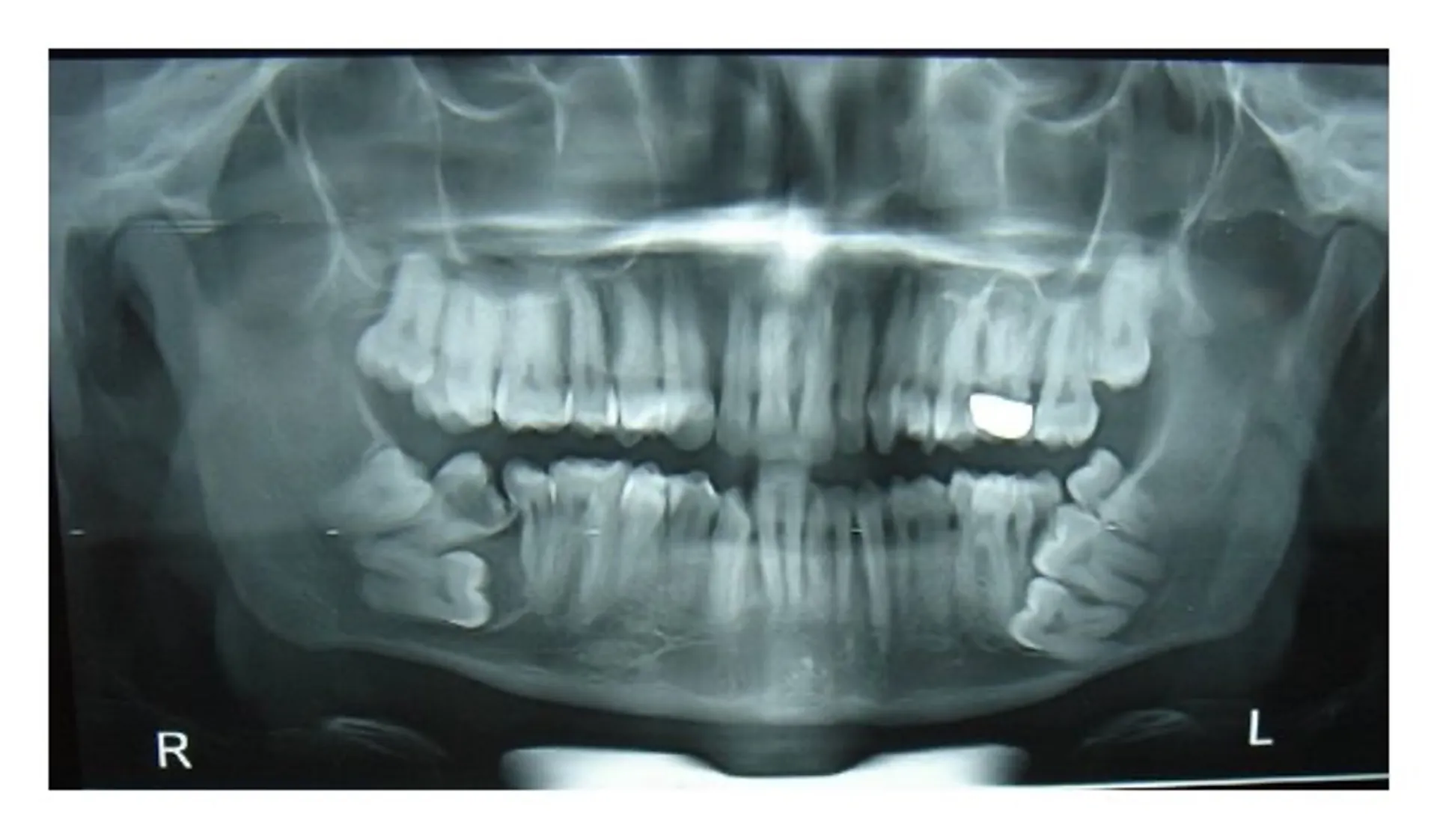
Wisdom teeth are the third molars located at the back of the mouth. Most adults develop four wisdom teeth, although some people naturally have fewer.
These teeth usually appear between the ages of 17 and 25.
Because modern human jaws are often smaller than those of previous generations, wisdom teeth frequently lack enough space to erupt normally.
Photo from https://www.researchgate.net
No. Removal is not automatic. Each case is evaluated individually based on symptoms, position, and long-term risk.
Free of decay or gum disease
In these cases, dentists usually recommend periodic monitoring with dental exams and X-rays.
Dentists recommend wisdom tooth removal when the teeth create current problems or have a high risk of causing future complications.
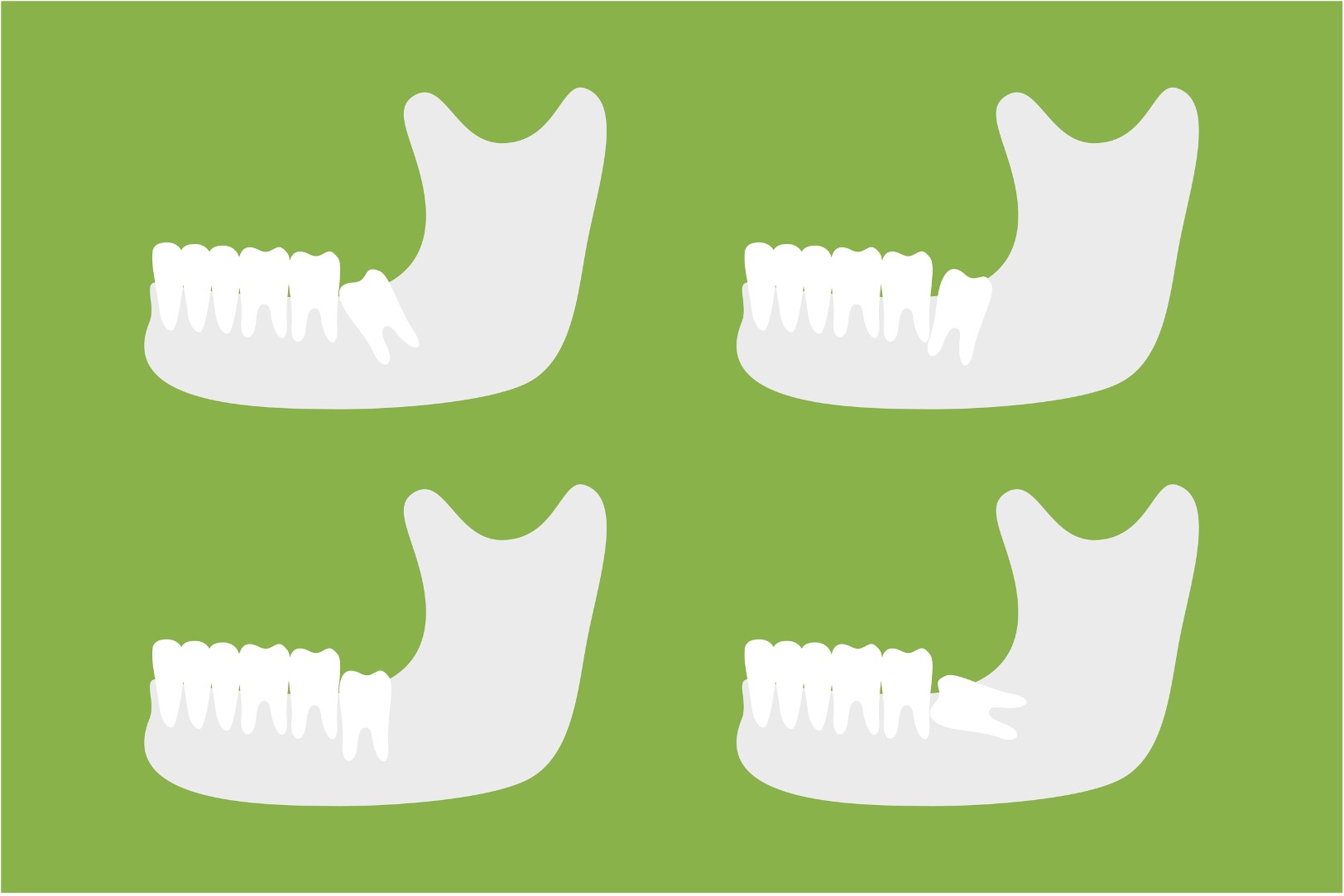
An impacted wisdom tooth is a tooth that cannot fully erupt through the gums.
Impacted wisdom teeth may:
Impaction can lead to pain, swelling, and infection.
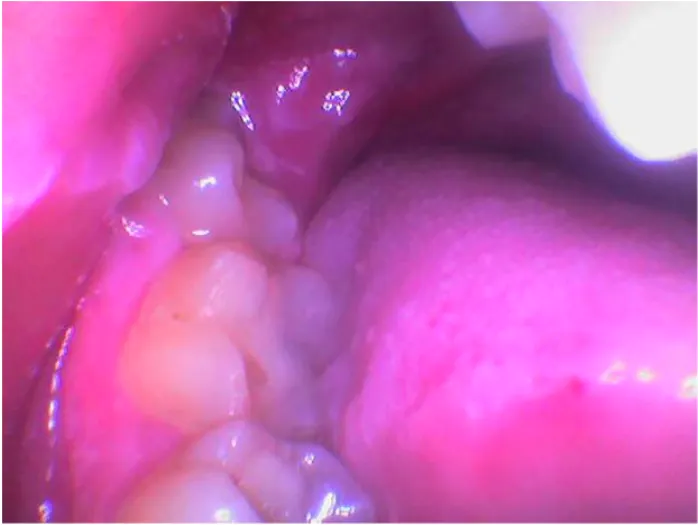
Partially erupted wisdom teeth often leave a flap of gum tissue covering the tooth.
Food particles and bacteria can accumulate under this tissue, causing infection called pericoronitis.
Common symptoms include:
Repeated infections often lead dentists to recommend removal.
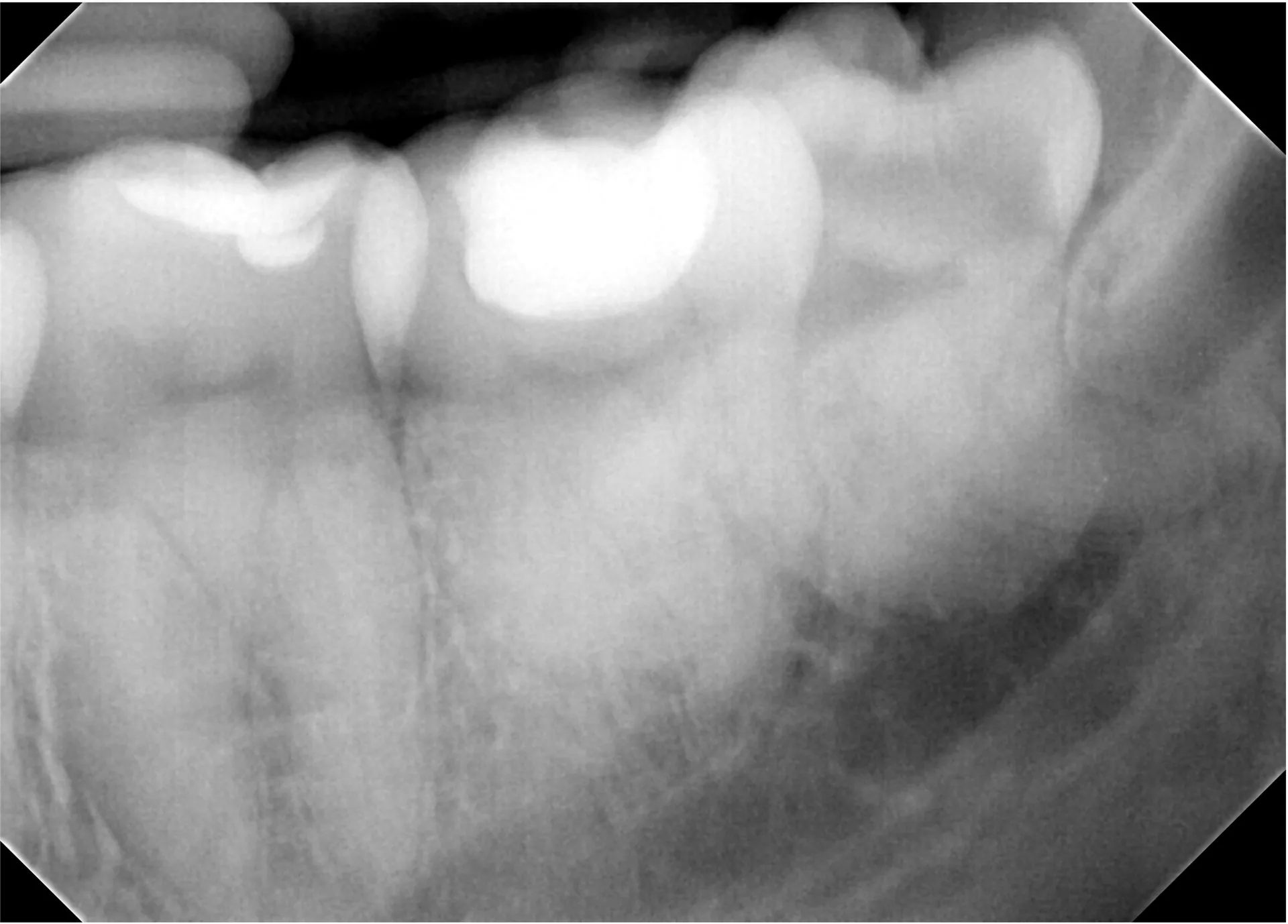
Wisdom teeth are difficult to clean due to their location in the mouth.
Even patients with excellent oral hygiene may develop cavities in these teeth because brushing and flossing are harder in this area. If decay becomes extensive or difficult to restore, extraction may be recommended.
Wisdom teeth can create areas where bacteria accumulate beneath the gums.
This may lead to periodontal inflammation and bone loss around the wisdom tooth and the neighboring molar.
Protecting the adjacent tooth is often a major reason for removing problematic wisdom teeth.
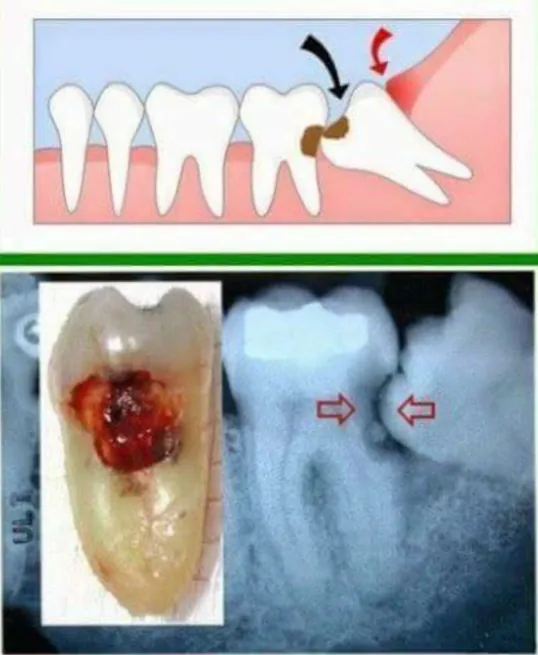
An impacted wisdom tooth can press against the second molar.
This pressure may cause:
Early evaluation helps prevent these complications.
A common belief is that wisdom teeth push other teeth forward and cause crowding.
Research suggests that wisdom teeth are not the primary cause of crowding in the front teeth, particularly in adults.
However, they may contribute to pressure in an already crowded dental arch.
Sometimes dentists recommend removing wisdom teeth before symptoms appear.
Preventive removal may be advised when X-rays show:
Younger patients often heal faster and experience fewer complications following extraction.
In general, wisdom tooth surgery becomes more complex with age.
This occurs because:
Early evaluation allows dentists to determine the most appropriate timing for treatment.
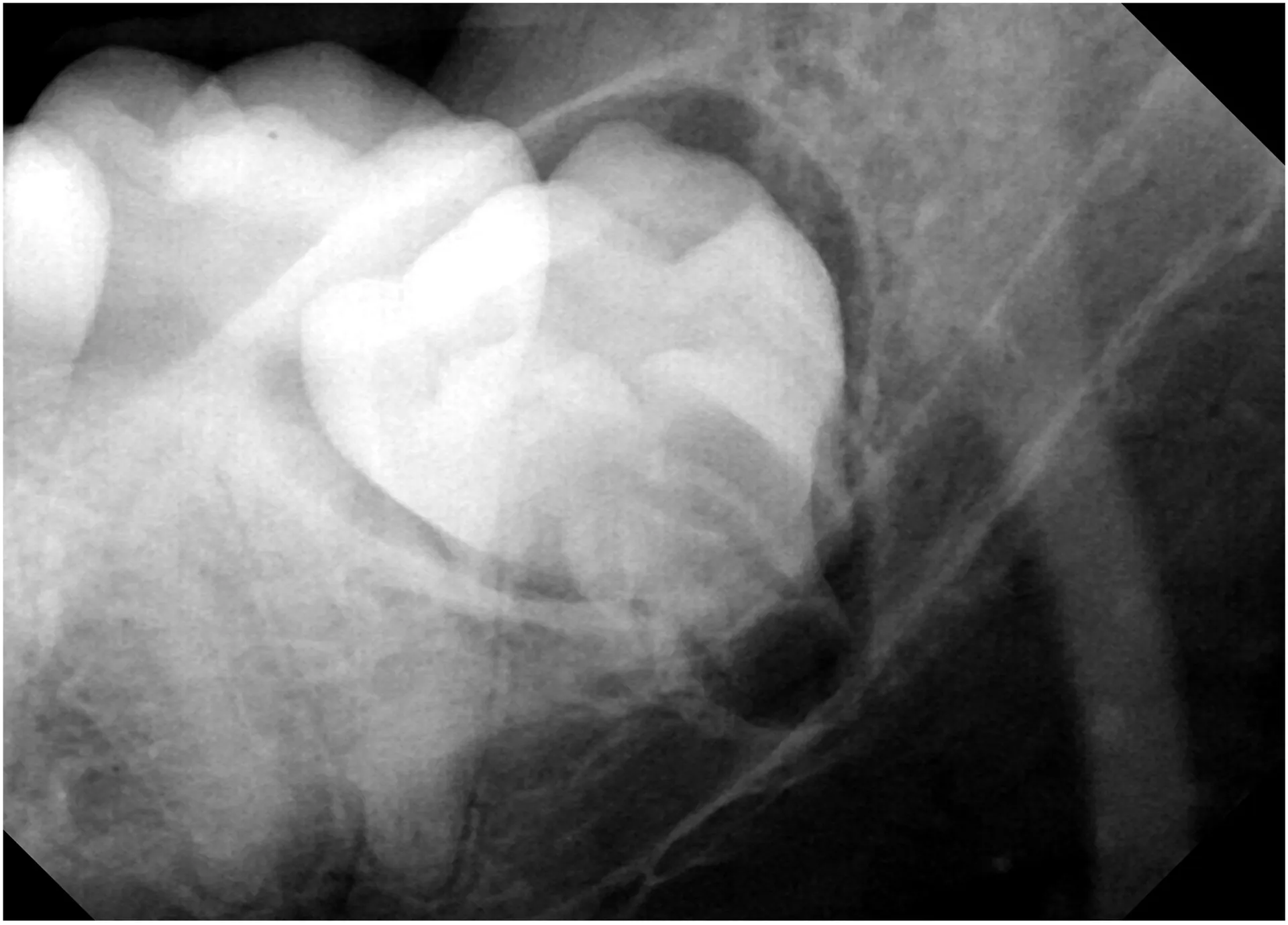
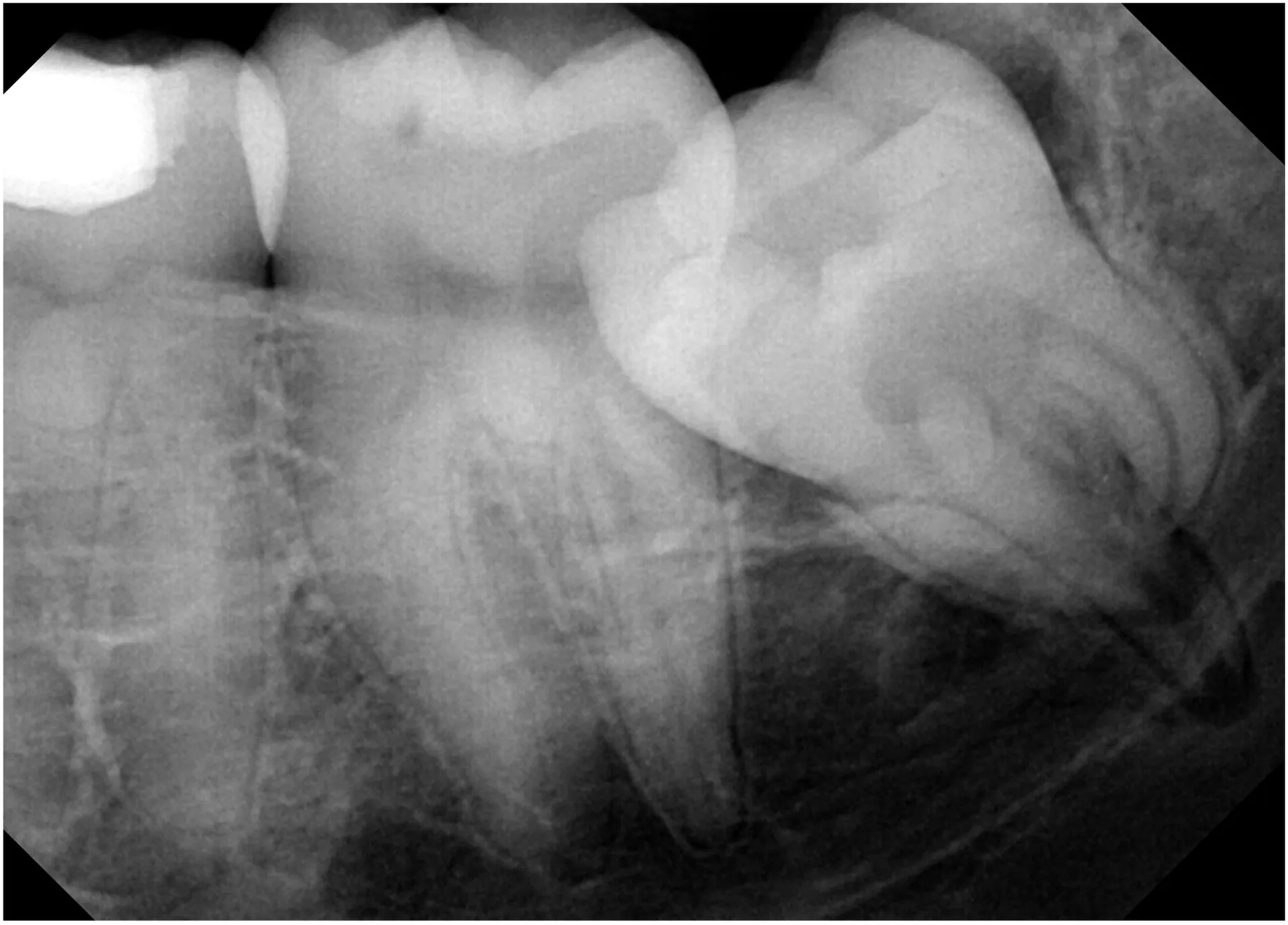
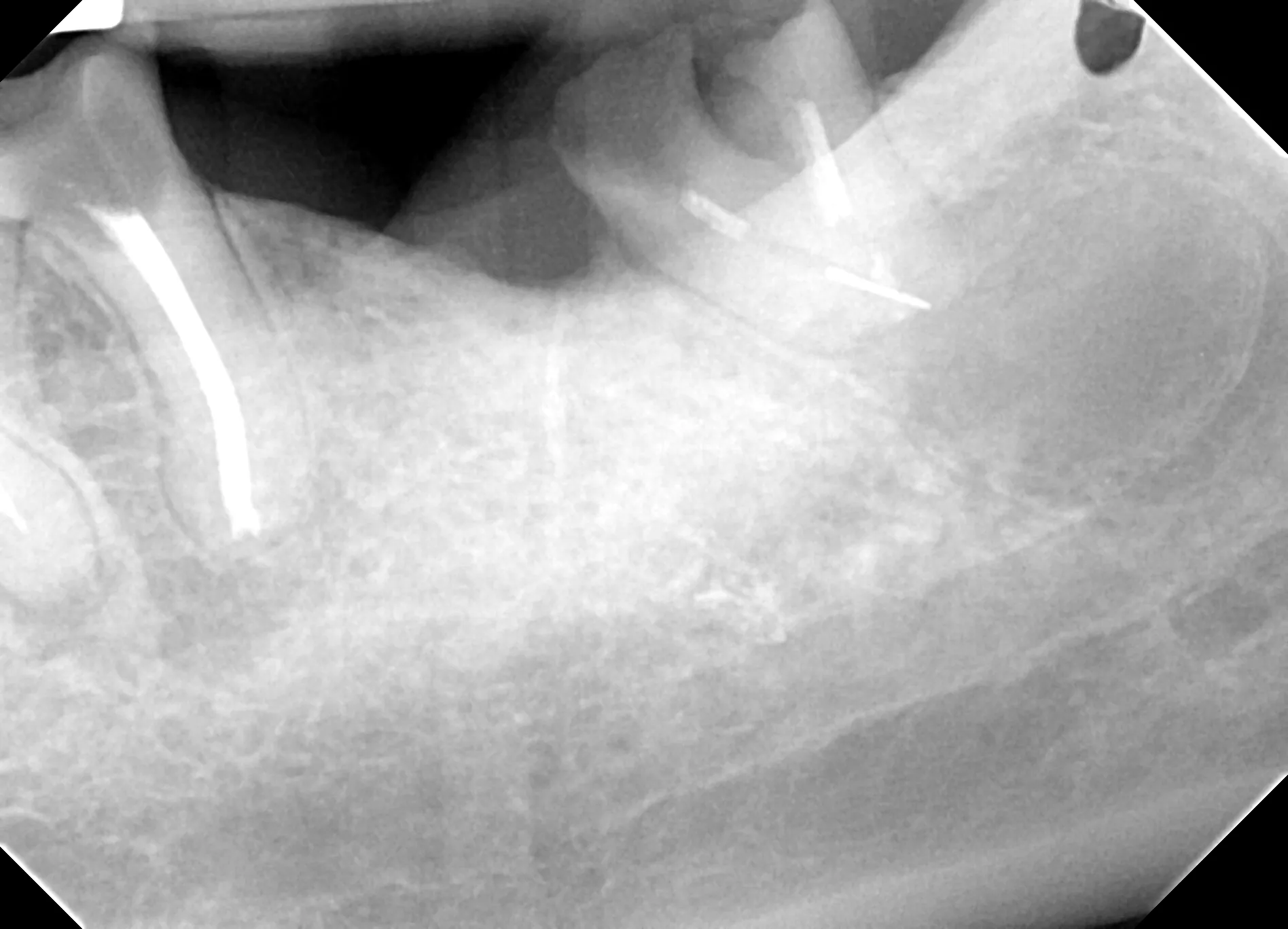
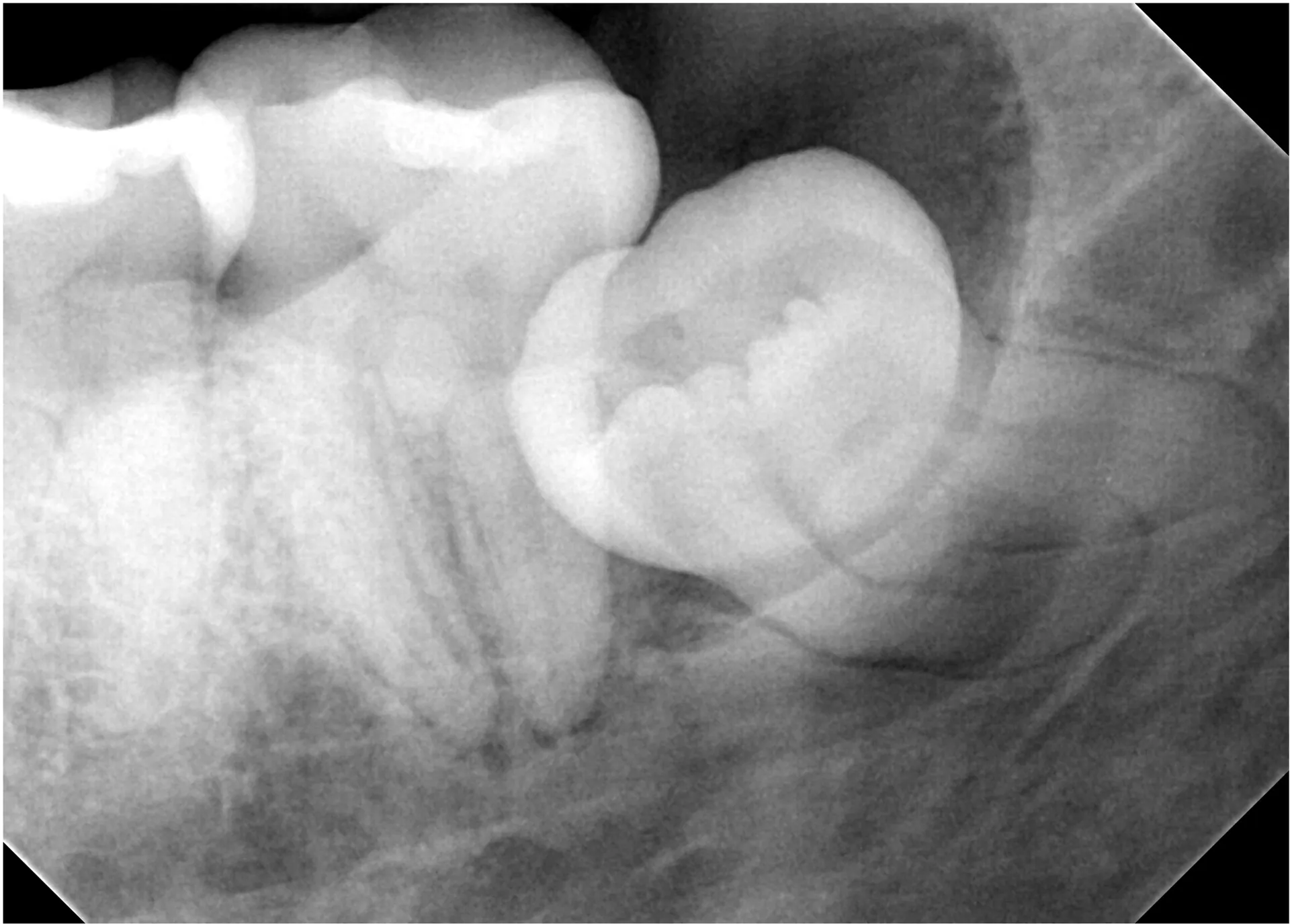
Two dental X-rays above taken three years apart showing changes in wisdom tooth development.
The image on the left shows an impacted lower wisdom tooth with incomplete root formation. At that stage, the roots are still developing and the inferior alveolar nerve runs just below the tooth.
The image on the right shows the same wisdom tooth three years later, with fully developed roots that appear to wrap around the nerve. When roots develop this close to the nerve, wisdom tooth removal carries a higher risk of nerve irritation or injury, which can lead to temporary or rarely permanent numbness of the lower lip or chin.
This example demonstrates why early evaluation of wisdom teeth is important, as surgical difficulty and risk may increase as roots continue to develop.
Most patients experience temporary swelling and mild discomfort after wisdom tooth extraction.
Typical recovery includes:
Complete healing of the bone takes longer but rarely interferes with daily activities.
Following post-operative instructions helps reduce complications and promote faster healing.
You should schedule a dental evaluation if you experience:
Early diagnosis can prevent more serious dental problems.
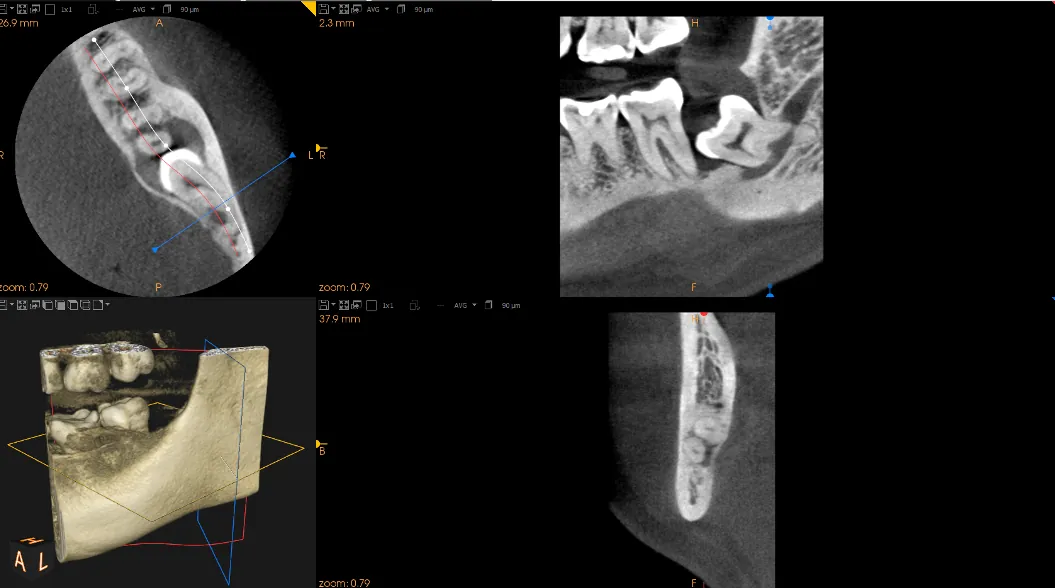
Advanced CBCT imaging allows Dr. Shurova to evaluate the exact relationship between wisdom tooth roots and critical anatomical structures before surgery. In the case shown, the cross-sectional CBCT image demonstrates a horizontally impacted lower wisdom tooth with the inferior alveolar nerve traveling directly between the roots. This type of anatomy significantly increases the risk of temporary nerve injury during extraction and would not be fully appreciated on a conventional two-dimensional X-ray. In this particular case, the patient experienced temporary numbness of the lower lip following surgery. Recovery began gradually with tingling and “pins-and-needles” sensations, and sensation continued to improve over approximately six months. CBCT technology helps identify high-risk cases, improves surgical planning, allows for informed consent discussions, and may influence treatment recommendations when the risk to the nerve outweighs the benefits of immediate extraction.
If you have questions about wisdom teeth or are experiencing discomfort, a professional dental evaluation can help determine whether removal is necessary.
Dr. Shurova provides wisdom tooth consultations at MyDental, serving patients in Tampa, Lutz, and surrounding communities.
This educational videos demonstrate the clinical steps involved in removing third molars.
⚠️ Viewer discretion advised: This video contains real dental procedure footage that may include blood and surgical content, which some viewers may find sensitive.
The goal of these videos is to help patients understand what happens during wisdom tooth removal and reduce anxiety through education.
If you have a dental question you would like answered, you can contact us.
If you’re interested, I discussed the common reasons dentists recommend removing wisdom teeth in a short podcast here: https://youtu.be/KCEVvlESVvc
Your question may be featured in a future “You Ask, We Answer” educational video.