
mydentalflorida@gmail.com
Mon-Fri 8AM-6PM
Weekends by Appointment
mydentalflorida@gmail.com
Weekends by Appointment
At MyDental, Dr. Marina Shurova provides orthodontic treatment with braces and Invisalign to correct crowding, spacing, and bite problems. Braces use brackets and wires to apply gentle, continuous force that gradually moves teeth into alignment — improving chewing efficiency, reducing uneven wear, and enhancing your smile. Patients of all ages choose orthodontic treatment for long-term oral health and a confident smile.
Straighten your smile with Invisalign or conventional braces.
This video captures the exciting final stage of braces treatment as the orthodontic brackets are removed and the patient sees her straightened teeth, improved bite, and transformed smile immediately afterward. One year of orthodontic treatment, patience, and transformation led to this emotional moment — seeing her new smile for the very first time after braces removal. Her reaction says it all. This orthodontic journey highlights the life-changing impact braces can have on both appearance and self-confidence.
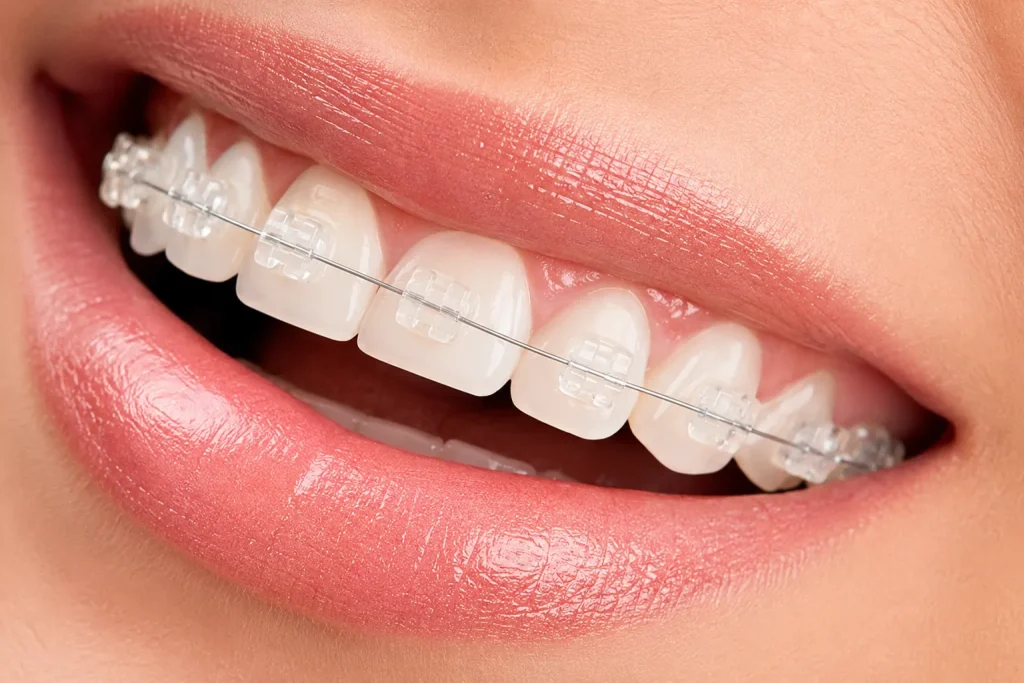
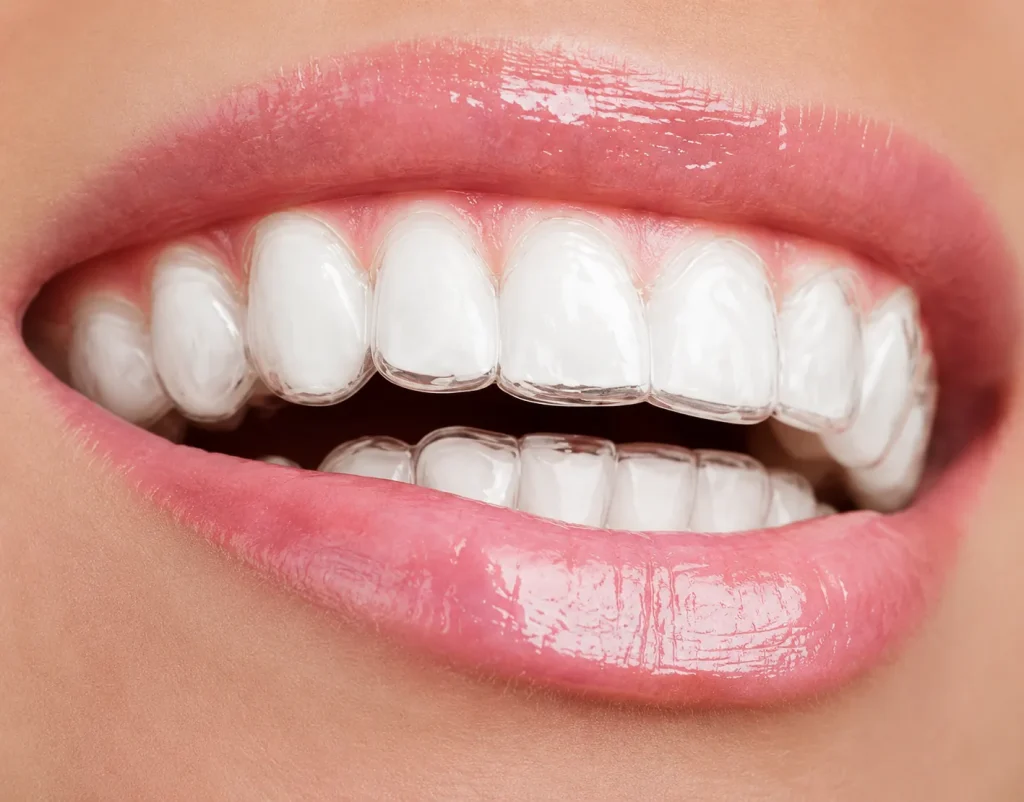
Orthodontic Treatment Options
Braces
Invisalign
Orthodontic Appliances
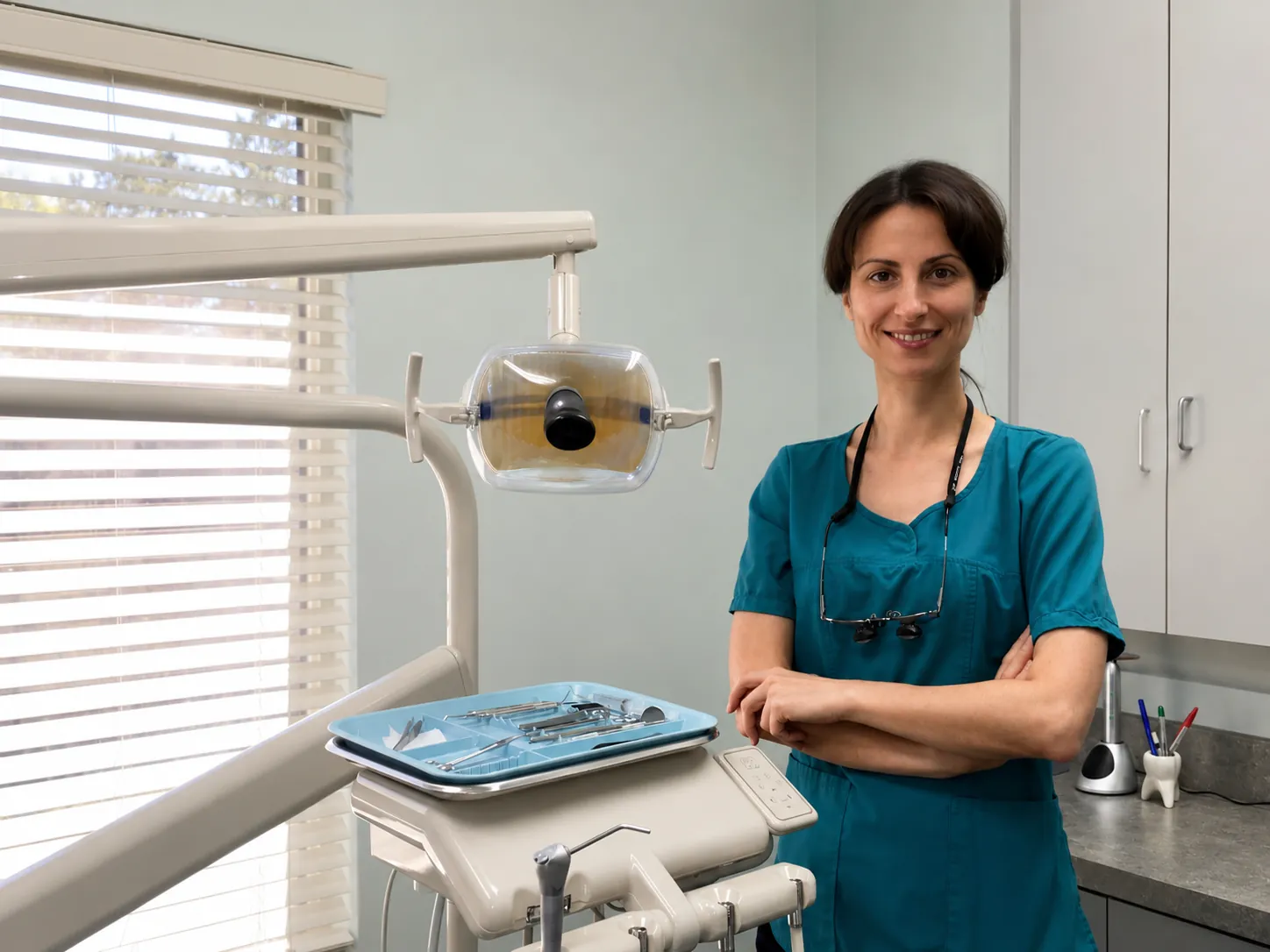
Owner of MyDental
Orthodontics has been part of Dr. Shurova’s working life for longer than she has been a dentist. Before dental school she spent eight years in the New York orthodontic practice of Dr. Michael Arvystas — then Professor of Orthodontics at Montefiore Medical Center — first as a dental assistant and then as a dental hygienist, working with orthodontic cases every day.
She brought that experience into her own practice. At MyDental she plans and treats every orthodontic case herself, from routine alignment to complex bite correction, and she is a Certified Invisalign® provider.
Because she is also the dentist who restores, whitens and maintains your teeth, orthodontic treatment here is planned around your whole mouth rather than run as a separate service. You see the same dentist at every appointment — from the first records through to the day your retainer is delivered.
You will see the plan, the expected length of treatment and the cost before treatment begins.
These orthodontic before-and-after cases are actual patients treated by Dr. Marina Shurova at MyDental. All photographs are authentic clinical images taken during treatment and after completion of care. No AI-generated smiles, stock photography, or digital smile simulations were used. Images may be cropped, resized, or adjusted for lighting and privacy purposes only, but the orthodontic results themselves are real and achieved through personalized treatment planning using braces, Invisalign, retainers, and other orthodontic techniques. Every smile shown reflects genuine clinical outcomes and individualized patient care.
Please note that every patient’s bite, jaw structure, tooth movement, oral health condition, growth pattern, and treatment goals are unique. Individual orthodontic results may vary, and no treatment can guarantee identical outcomes. A comprehensive orthodontic evaluation is necessary to determine the most appropriate treatment plan for each patient.
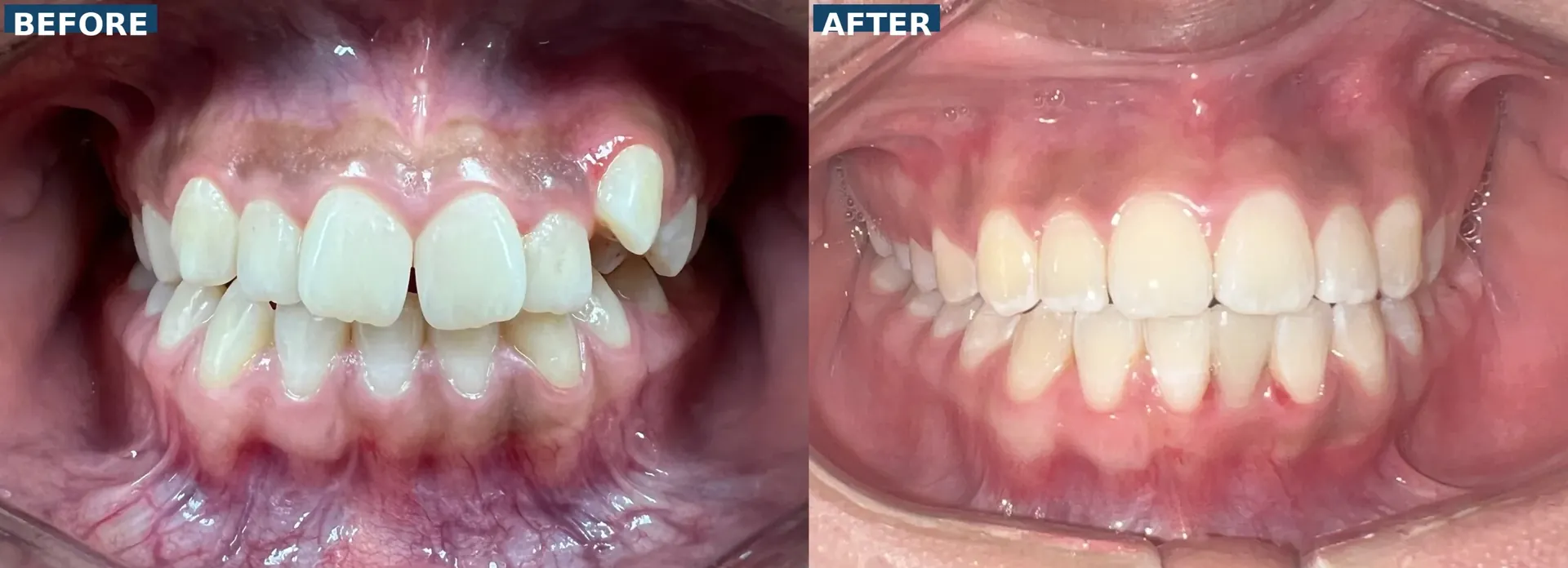
Patient presented with a missing lower front tooth and discrepancy between upper and lower arches. Orthodontic treatment expanded the mandibular arch, corrected the midline, and created space for tooth replacement. A temporary tooth was placed until the patient is ready for implant placement.
This case demonstrates orthodontic treatment with braces to correct a narrow lower arch and missing front tooth in Lutz and Tampa, FL. The patient presented with a discrepancy between the upper and lower arches due to a missing lower incisor, resulting in crowding and imbalance. Treatment involved mandibular (lower) arch expansion and orthodontic alignment to correct the mid-line and create appropriate space for tooth replacement. A provisional prosthetic tooth was placed to maintain esthetics and space until definitive treatment. Dental implants are typically recommended once jaw growth is complete, usually around ages 18, 21 depending on individual development. The final result shows improved arch coordination, balanced bite, and proper spacing for future implant placement currently restored with temporary tooth. Learn more about permanent tooth replacement option with Dental Implants here.
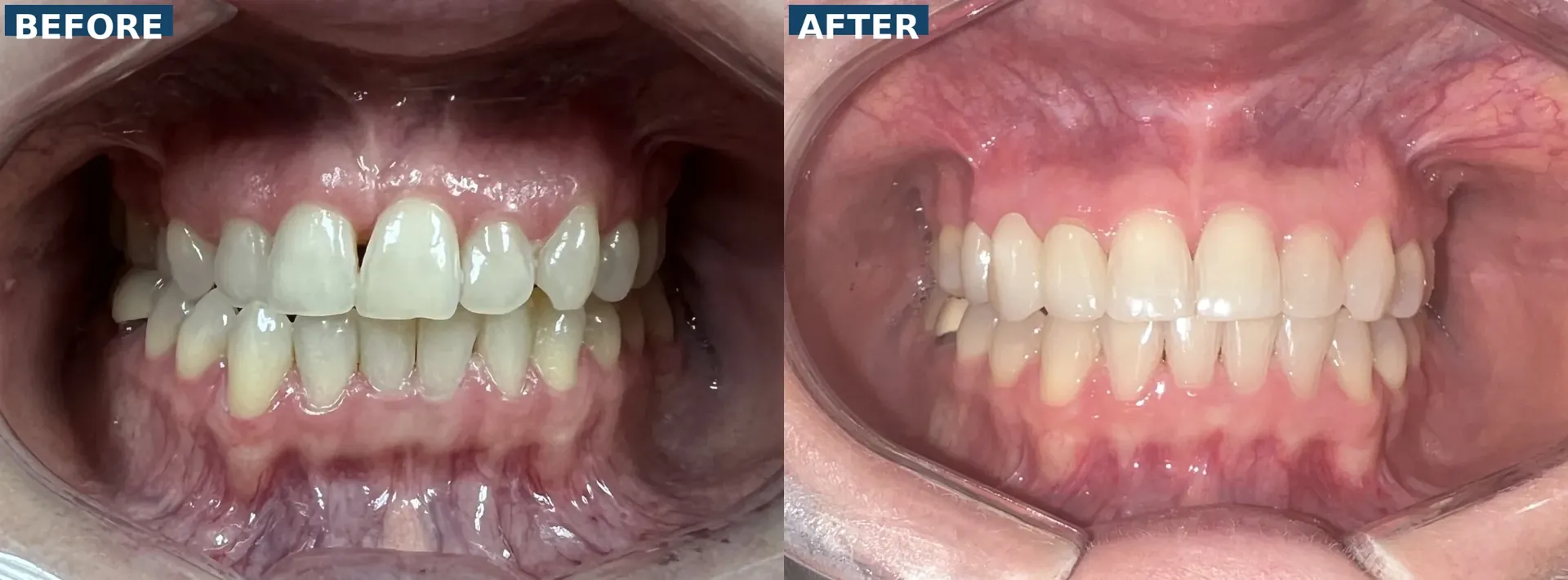
Patient presented with a missing upper right canine and midline deviation. Orthodontic treatment with brackets expanded the maxillary arch, corrected the midline, and the missing canine was restored with a porcelain bridge.
This case demonstrates orthodontic treatment with braces to correct a midline shift caused by a missing upper canine in Lutz and Tampa, FL. The patient presented with an uneven bite and midline deviation due to the absence of the upper right canine. Treatment included maxillary arch expansion and orthodontic alignment using brackets to reposition the teeth and correct symmetry. After alignment, the missing canine was restored with a porcelain bridge to complete the smile. The final result shows improved bite function, balanced midline, and natural esthetics. Orthodontics combined with restorative dentistry provides a comprehensive solution for patients with missing teeth and alignment issues. To learn more about options for replacing missing teeth, visit our Tooth Replacement page
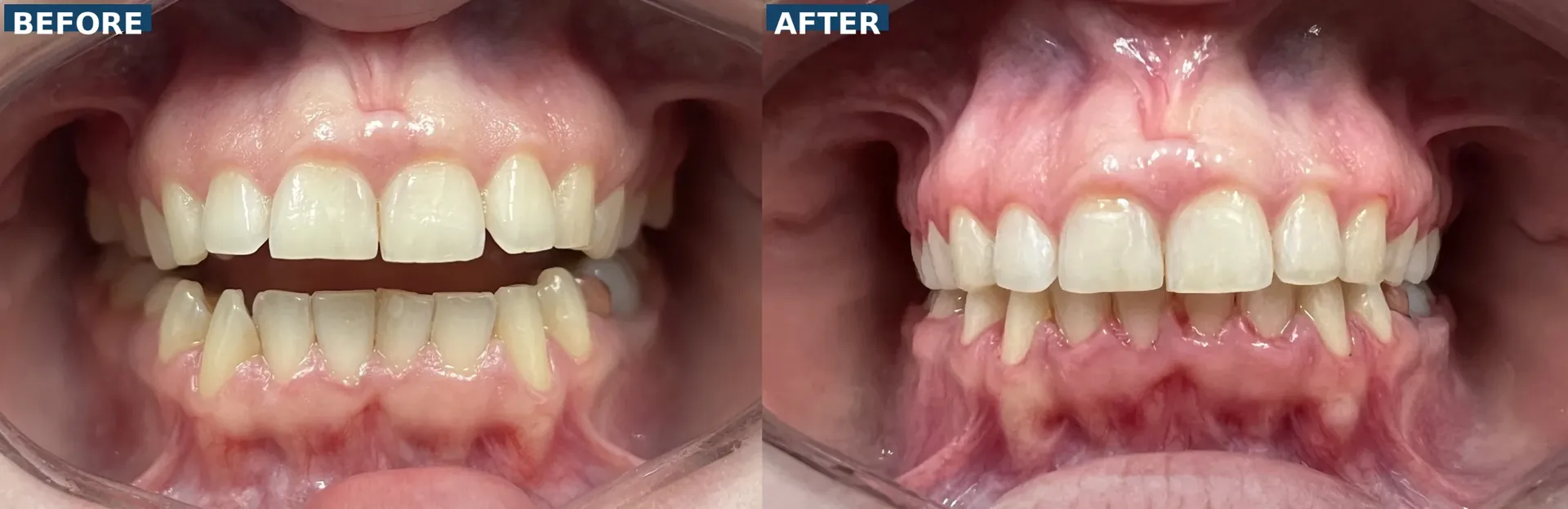
Patient presented with an open bite, contacting only on back teeth with front teeth not touching. Orthodontic treatment with brackets corrected the bite into proper functional position.
This case demonstrates orthodontic treatment with braces to correct an open bite in Lutz and Tampa, FL. The patient initially presented with posterior-only contact, where the back teeth touched but the front teeth did not meet, affecting chewing function and bite stability. Treatment involved orthodontic alignment using brackets to reposition the teeth and close the open bite into a proper functional occlusion. The final result restored balanced contact between upper and lower teeth, improving masticatory efficiency and overall oral function. Orthodontic treatment is an effective solution for patients with open bite and functional bite issues.
Watch this Amazing orthodontic transformation video Braces Unlock The Teeth. This orthodontic case demonstrates a complex eruption and alignment correction involving upper canines and lower premolars that failed to erupt properly due to premature loss of primary teeth and insufficient arch space. Comprehensive orthodontic treatment was performed, including leveling and alignment of the dental arches, surgical exposure of the impacted teeth, and controlled guided eruption to bring the canines and premolars into their correct functional and esthetic positions. The result is a well-coordinated occlusion, improved arch symmetry, and long-term stability of the dentition. This type of interdisciplinary orthodontic and oral surgery approach is essential for managing impacted or blocked-out teeth and achieving predictable functional and cosmetic outcomes.
Oral Surgery and Related Procedures
Orthodontics improves both function and long-term dental health—not just appearance.
Watch our YouTube video Must Do Before Braces.
You must get a dental clearance prior your orthodontic treatment. The following is a must in order to start your orthodontic treatment:
Now you can start. Wait… Your clearance doesn’t stop here. You must continue your dental checkups and cleanings throughout the entire process and after your orthodontic appliances are removed.
The best option depends on your case complexity, lifestyle, and goals:
Braces
Invisalign
Temporary Anchorage Devices (TADs) are small orthodontic screws placed in the jawbone to help move teeth more precisely during orthodontic treatment. In simple terms, they act as a stable anchor point that allows braces or aligners to shift specific teeth without affecting others.
In these short videos, Dr. Shurova demonstrates the placement and removal of TADs after orthodontic treatment goals have been achieved at MyDental.
Possibly. Some patients with jaw joint problems (TMD/TMJ disorders) benefit from stabilizing the jaw joints and muscles before starting orthodontic treatment. Symptoms such as jaw pain, clicking, headaches, muscle tension, clenching, grinding, limited opening, or bite instability may indicate the need for a TMJ evaluation prior to moving the teeth.
In certain cases, a custom TMJ appliance (bite splint or orthotic) may be recommended to help reduce joint stress, relax the muscles, and establish a more stable bite before braces or Invisalign treatment begins. Once the jaw position and symptoms are stabilized, orthodontic treatment can often be planned more predictably.
Not every patient with braces or Invisalign requires TMJ treatment. Recommendations depend on the severity of symptoms, jaw function, bite relationship, and overall diagnosis.
Yes. Orthodontic treatment works at any age if your gums and bone are healthy. Watch our YouTube video Adults Get Braces Too.
No. Age is not a limiting factor—oral health is what matters.
Watch our YouTube video Braces Installation: Orthodontic Bracket Placement Process
Yes. Many patients need additional aligners to fine-tune results.
Many dental plans partially cover orthodontics, especially for children.
Lifetime benefit: ~$1,000–$2,500. Adult coverage varies.
You may notice a temporary lisp, especially with aligners. Speech usually normalizes within a few days.
Start with soft foods and gradually return to normal eating.
Avoid:
Yes. Remove aligners to eat, then brush before reinserting.
Missed visits can delay treatment and cause complications. Reschedule promptly.
Every 4–8 weeks:
Teeth may feel slightly loose (normal)
20–22 hours per day for effective results.
Treatment may slow down or fail to track properly.
Often yes. Small tooth-colored attachments help aligners move teeth precisely.
Only water is recommended. Other drinks can stain aligners or increase cavity risk.
Yes. Treatment is customized around existing dental work.
Gum disease must be treated and stabilized before orthodontic treatment.
Yes. Braces and Invisalign can correct overbite, underbite, and other bite problems.
Possibly. Bite issues and functional problems may still require treatment. Watch Jaw Tilt and Deep Bite Correction with Braces and Mini Implant video that demonstrates correction of a tilted bite plane, also known as an occlusal cant, where the patient’s right side appeared lower than the left. Treatment included upper jaw expansion combined with braces and Temporary Anchorage Devices (TADs) to help lift and level the upper right side with precise skeletal anchorage mechanics.
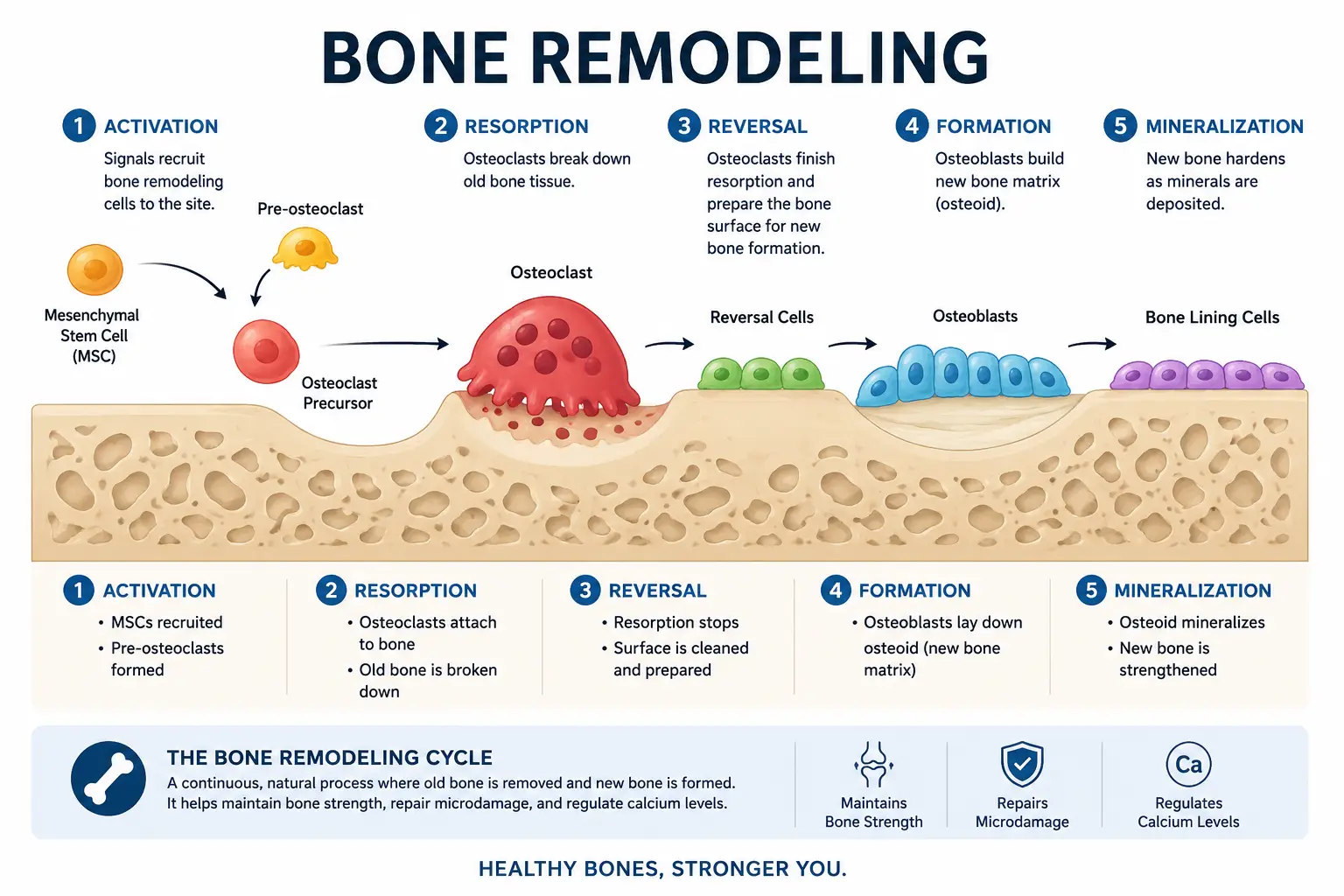
Braces apply controlled force that triggers:
This allows teeth to safely move into proper alignment.
Use:
Braces removal is the final step of orthodontic treatment, revealing the newly aligned smile. In this short video, Dr. Shurova demonstrates the process of removing orthodontic braces at MyDental in Lutz, FL. Special orthodontic instruments are used to gently detach the brackets from the teeth. Patients usually feel light pressure or a brief popping sensation, but the process is typically quick and not painful. After the brackets are removed, any remaining adhesive is carefully polished from the teeth to restore a smooth surface. The next step usually includes retainers, which help maintain the new tooth positions.
Yes. Retainers prevent teeth from shifting back.
You can transition to braces if needed.
Possibly. They help correct bite alignment.
Typically every 4–8 weeks.
No. Many patients are adults.
No. Discomfort is temporary and manageable.
No. They improve function and oral health.
Most orthodontic emergencies are not dangerous but should be addressed promptly to prevent discomfort or treatment delays.
A loose bracket usually stays attached to the wire and is not a true emergency.
Until your appointment:
Call the office to schedule a repair visit.
A poking wire can irritate soft tissues and cause sores. You can:
If discomfort continues, contact the office for adjustment.
If you lose an aligner:
Depending on your progress, you may be instructed to:
Small cracks may still allow temporary wear, but damaged aligners may not move teeth properly. Contact the office for instructions.
Rubber bands are important for bite correction and should be worn exactly as prescribed. If you run out:
A broken or tight retainer can allow teeth to shift quickly. Contact the office as soon as possible for repair or replacement.
Expanders, retainers, or other appliances may occasionally loosen. Avoid forcing them back into place and contact the office promptly.
Call immediately if you experience:
Helpful temporary measures include:
Please, provide your details in the form to the right to proceed with booking. Let us know what your appointment needs are such as date, time, and other details.